Research
Our research interest focuses on addressing significant societal challenges, such as food, water, health, energy, and the environment, through membrane technology to promote sustainability.
01
Ceramic Membranes
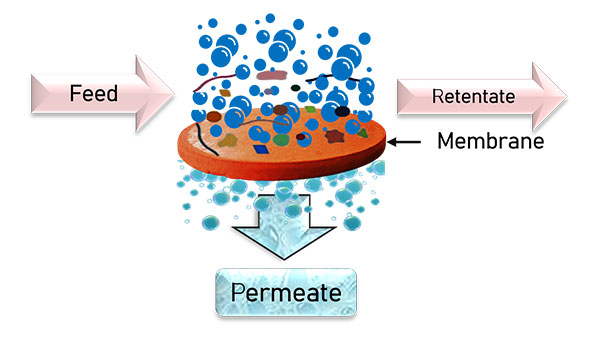
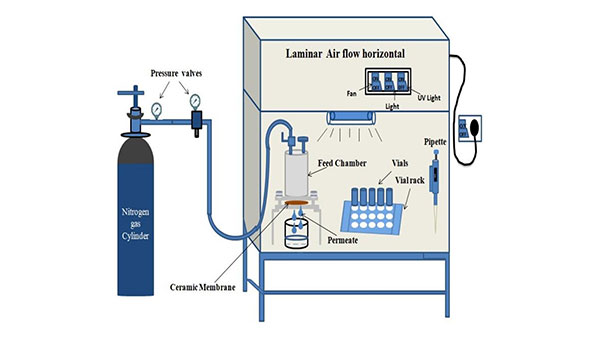
Our research focuses on the development of low-cost ceramic membranes using naturally abundant materials such as bentonite, kaolin, and industrial waste-derived precursors. Various fabrication techniques, including extrusion, and dry pressing methods are used to prepare membranes in different configurations such as multichannel, tubular and flat sheet forms. We aim to design membranes with suitable structural and functional properties by carefully controlling parameters like pore structure, strength, and permeability. The membranes are systematically evaluated using standard characterization techniques to understand their physical and chemical properties. The developed membranes are intended for a wide range of applications, including water and wastewater treatment, food and beverage processing, gas separation, and biotechnological applications, with an emphasis on performance, durability, and affordability.
02
Wastewater Treatment
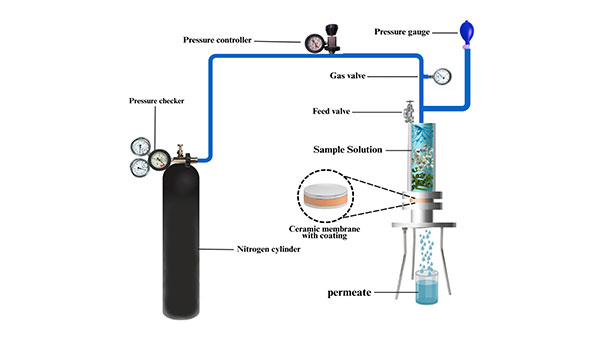
Our laboratory focuses on the development and application of membrane technologies for sustainable water and wastewater treatment. Special emphasis is placed on the use of low-cost ceramic membranes derived from naturally available materials for the efficient removal of suspended solids, microorganisms, dyes, and heavy metals. The research includes treatment of both industrial and domestic wastewaters, with demonstrated work on sewage wastewater treatment and efficient bacterial removal for safe water reuse. Studies are carried out on a wide range of industrial wastewaters, particularly from food processing, textile, and rubber industries, with the aim of improving treatment efficiency and water reuse potential. The laboratory also focuses on surface modification of membranes using nanomaterials and functional coatings to enhance selectivity, reduce fouling, and improve separation performance under complex wastewater conditions. In addition, the laboratory investigates membrane fouling mechanisms, process optimization, and long-term performance to enhance operational stability.
03
Food and Beverage Processing
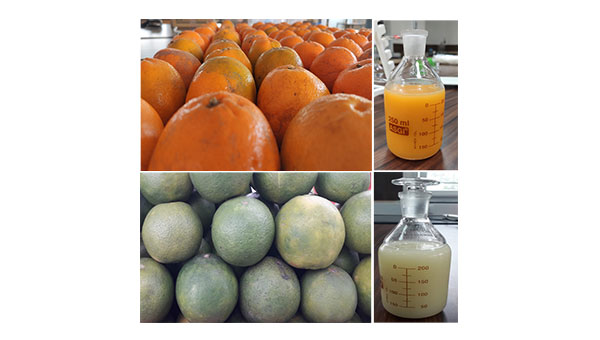
Our laboratory explores the application of membrane technology in food and beverage processing for efficient separation, clarification, and purification. A key focus is on the clarification of fruit juices, where membrane processes are used to remove suspended solids, colloidal particles, pectins, and microbial contaminants without affecting the nutritional and sensory quality of the product. Unclarified juices typically contain higher turbidity and suspended matter, which can affect appearance, stability, and shelf life. In contrast, clarified juices obtained through membrane filtration exhibit improved transparency, reduced turbidity, enhanced microbial stability, and better storage characteristics while retaining essential nutrients and flavor compounds.
04
Bio-Separations
Research in bio-separations focuses on the use of membrane technologies for the efficient separation and purification of biologically derived components. This includes the recovery of biomolecules, removal of microorganisms, separation of polysaccharides, protein recovery, and processing of complex biological mixtures. The work emphasizes selective separation, high product purity, and minimal loss of biological activity, making membrane processes suitable for sensitive biomaterials. These approaches are applied across areas such as bioprocessing, fermentation, and environmental systems, where efficient and sustainable separation is essential.
05
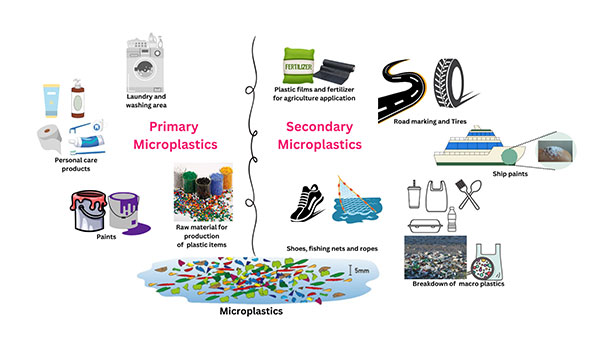
Microplastics Removal
Research on microplastics removal focuses on the development of membrane-based approaches for the effective separation of micro and nano-sized plastic particles from various eco-systems. The work also investigates the occurrence, transport, and impact of microplastics in aquatic environments, along with their interaction with other contaminants. Membrane processes are evaluated for their efficiency, selectivity, and long-term performance in removing these emerging pollutants from both surface water and wastewater.